Essential Soap Making Tools and Equipment for Success
- craftedsurprise
- Apr 22
- 5 min read
If you are diving into the world of soap making, having the right tools can make all the difference. Whether you are crafting your first batch or refining your technique, the right equipment ensures your process is smooth, safe, and enjoyable. This guide will walk you through the essential soap making tools and equipment you need to create beautiful, handmade soaps with confidence.
Understanding Soap Making Tools and Equipment
Soap making is both an art and a science. To get consistent results, you need tools that help you measure, mix, and mold your soap accurately. Here are some of the fundamental tools you should have:
Digital Scale: Precision is key in soap making. A digital scale allows you to measure oils, lye, and additives accurately.
Thermometer: Monitoring temperature is crucial when mixing lye and oils. A reliable thermometer helps you avoid overheating or underheating your mixture.
Mixing Bowls: Use heat-resistant, non-reactive bowls such as stainless steel or heavy-duty plastic.
Stick Blender: This tool speeds up the mixing process and helps achieve the right consistency faster than hand stirring.
Soap Molds: Available in various shapes and sizes, molds give your soap its final form.
Safety Gear: Gloves, goggles, and long sleeves protect you from lye burns and splashes.
Each of these tools plays a vital role in your soap making journey. Investing in quality equipment made from locally sourced materials ensures durability and supports sustainable practices.
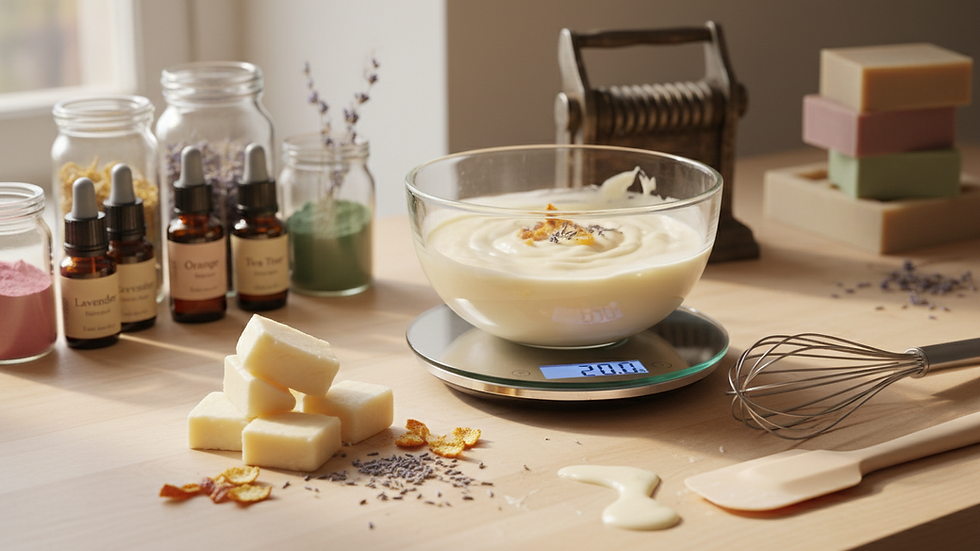
Essential Soap Making Tools and Equipment for Every Hobbyist
When you start soap making, you want tools that are easy to use and reliable. Here’s a detailed look at the must-have equipment:
1. Digital Scale
Accuracy in measuring ingredients is non-negotiable. A digital scale with a tare function lets you zero out containers and measure oils and lye precisely. Look for scales that measure in grams and ounces for flexibility.
2. Thermometer
Soap making requires mixing lye with water at specific temperatures. A thermometer that can measure both Celsius and Fahrenheit is ideal. Infrared thermometers are handy but may not be as accurate for liquids.
3. Mixing Bowls and Containers
Choose bowls that won’t react with lye. Stainless steel or heavy-duty plastic bowls are perfect. Avoid aluminum as it reacts with lye and can ruin your batch.
4. Stick Blender
A stick blender reduces mixing time and helps you reach trace faster. Trace is the point where the soap mixture thickens and is ready to be poured into molds.
5. Soap Molds
Silicone molds are popular because they are flexible and easy to clean. Wooden molds lined with freezer paper are also a good option for traditional soap makers.
6. Safety Equipment
Lye is caustic and can cause burns. Always wear gloves, goggles, and long sleeves. Work in a well-ventilated area to avoid inhaling fumes.
7. Spatulas and Spoons
Use silicone spatulas and stainless steel spoons for mixing and scraping. These materials are easy to clean and won’t react with your ingredients.
8. Measuring Spoons
For small quantities of additives like essential oils or colorants, measuring spoons ensure you add the right amount.
Having these tools at your disposal will make your soap-making process safer, faster, and more enjoyable.
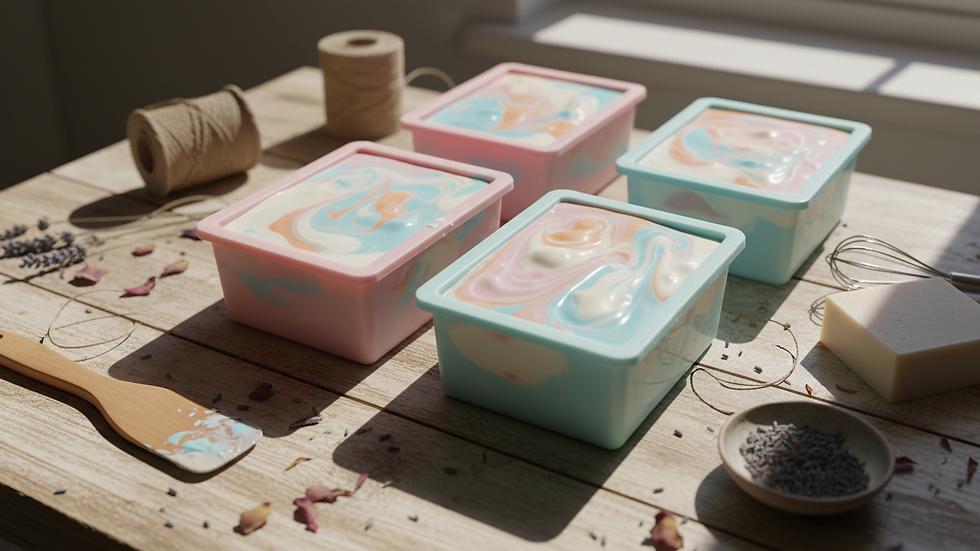
How to Choose the Right Soap-Making Tools for Your Needs
Selecting the right tools depends on your experience level, budget, and the type of soap you want to make. Here are some tips to help you decide:
Start Small: If you are new, begin with basic tools like a digital scale, thermometer, and a few molds. You can expand your collection as you gain experience.
Consider Your Workspace: Choose tools that fit your available space. Compact and multi-purpose tools save room.
Quality Over Quantity: Invest in durable tools made from quality materials. Locally sourced products often offer better craftsmanship and support local businesses.
Safety First: Never compromise on safety gear. Proper gloves and goggles are essential.
Research and Reviews: Look for tools specifically designed for soap making. Reading reviews from other soap makers can guide you to the best options.
Tips for Maintaining and Using Your Soap Making Equipment
Proper care of your tools extends their life and ensures your soap batches remain consistent. Here are some practical tips:
Clean Immediately: Wash your tools right after use to prevent soap residue from hardening.
Avoid Cross-Contamination: Use separate tools for different colors or scents to keep your soaps pure.
Store Safely: Keep your equipment in a dry, clean place away from children and pets.
Inspect Regularly: Check for cracks or damage, especially in molds and mixing bowls.
Use Dedicated Soap Making Tools: Avoid using your soap making equipment for food preparation to prevent contamination.
By following these simple maintenance steps, you’ll enjoy a smooth soap making experience every time.
Enhancing Your Soap Making Experience with Local, Handmade Tools
Using handmade soap making tools crafted from locally sourced materials adds a special touch to your craft. These tools often have unique designs and superior quality. Supporting local artisans also helps sustain the community and reduces environmental impact.
When you choose tools made in Australia, you benefit from:
High-Quality Craftsmanship: Locally made tools are often crafted with attention to detail.
Sustainable Materials: Many local producers use eco-friendly materials.
Quick Access and Support: Buying locally means faster delivery and better customer service.
Connection to Your Craft: Using tools made nearby can inspire creativity and pride in your work.
Explore options for handmade soap making tools that suit your style and needs. This connection to local craftsmanship can elevate your soap making from a hobby to a true art form.
Preparing for Your Next Soap Making Project
Now that you know the essential soap making tools and equipment, it’s time to prepare for your next batch. Here’s a quick checklist to get you started:
Gather your digital scale, thermometer, mixing bowls, and stick blender.
Select your soap molds and line them if necessary.
Put on your safety gear - gloves, goggles, and protective clothing.
Measure your oils, lye, and additives carefully.
Follow your recipe step-by-step, monitoring temperatures and mixing thoroughly.
Pour your soap mixture into molds and allow it to set.
Clean your tools immediately after use.
By following these steps and using the right tools, you’ll create beautiful, high-quality soaps every time.
With the right soap making tools and equipment, your creative process becomes more enjoyable and efficient. Whether you are crafting for personal use or gifting, quality tools help you achieve professional results. Embrace the art of soap making with confidence and the satisfaction of using handmade, locally sourced equipment designed just for you.


Comments